
Guides · Compliance
Solar claims: a guide for insurance brokers
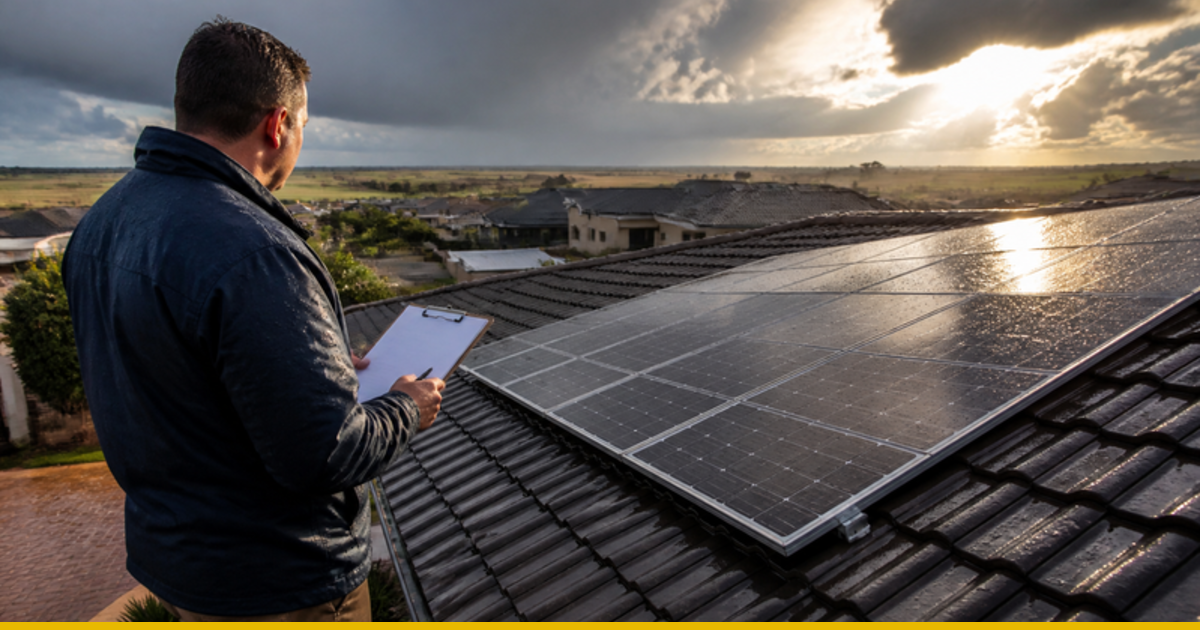
Short answer: Before cover starts, confirm the solar system's full replacement value is on the schedule, that a valid Certificate of Compliance and municipal SSEG approval exist, and that surge protection and battery installation meet standards. Many rejected solar claims trace back to missing paperwork, under-insurance or poor installation, all of which can be caught upfront.
Last updated November 2026.
A home solar system can be worth R100,000 to R300,000 or more, often more than the contents of the house. When a hailstorm or lightning strike hits, brokers sit between an upset client and an insurer asking for paperwork. CleanVolts runs a partner programme for insurance brokers to help. This guide isn't legal or insurance advice; policy wordings differ, so always check the insurer's terms.
What should brokers check before insuring a client's solar system?
| Check | Why it matters |
|---|---|
| System on the schedule | Panels are usually buildings cover; inverter and batteries may sit under buildings or contents depending on the insurer. Confirm which, and that values are current. |
| Replacement value | Under-insurance can reduce a payout proportionally. |
| Certificate of Compliance | Insurers commonly ask for it at claim stage, especially for fire or electrical damage. |
| SSEG registration | Shows the system was installed and connected legally. |
| Surge and lightning protection | Some policies require it for power surge cover. |
| Battery installation | Location, ventilation and clearances affect fire risk. |
Why are solar claims rejected?
- No Certificate of Compliance or installation by an unregistered person. See what a CoC does and doesn't mean.
- The system was never added to the policy, or was under-insured.
- Wear and tear or gradual deterioration, such as an ageing battery, which policies generally exclude.
- Poor workmanship that caused the damage, which may be the installer's liability rather than the insurer's.
- Missing surge protection where the policy requires it.
For storm claims, see hail damage on solar panels. For the homeowner's view, see home insurance and solar.
Can an audit support underwriting?
Yes. An independent solar audit by a registered installer confirms the components and their value, checks the CoC and registration, and flags safety issues before they become claims. It gives you a clear record if a claim is lodged later, and gives the client a list of fixes.
Frequently Asked Questions
Why are solar claims rejected?
Mainly missing CoCs, systems not on the schedule, wear and tear, poor workmanship and missing surge protection.
Can an audit support underwriting?
Yes. It confirms what's installed, its value and its compliance before cover starts.
How do I refer a client?
Through the CleanVolts broker partner programme. I arrange the audit or repair and keep you updated.
Where I fit in
I plan and manage solar for businesses and farms. I start with your bills and how you really use power, then bring in a registered installer working to the CleanVolts Approved standard, who designs, installs and signs off the system under their own registration. You contract with them directly, and I stay your point of contact. If the installer pays me a referral fee, I tell you before you sign.
I've stopped adding new guides. For anything not covered here, ask my assistant and I'll answer you directly.