
Guides · Compliance
What a Certificate of Compliance does and doesn't mean
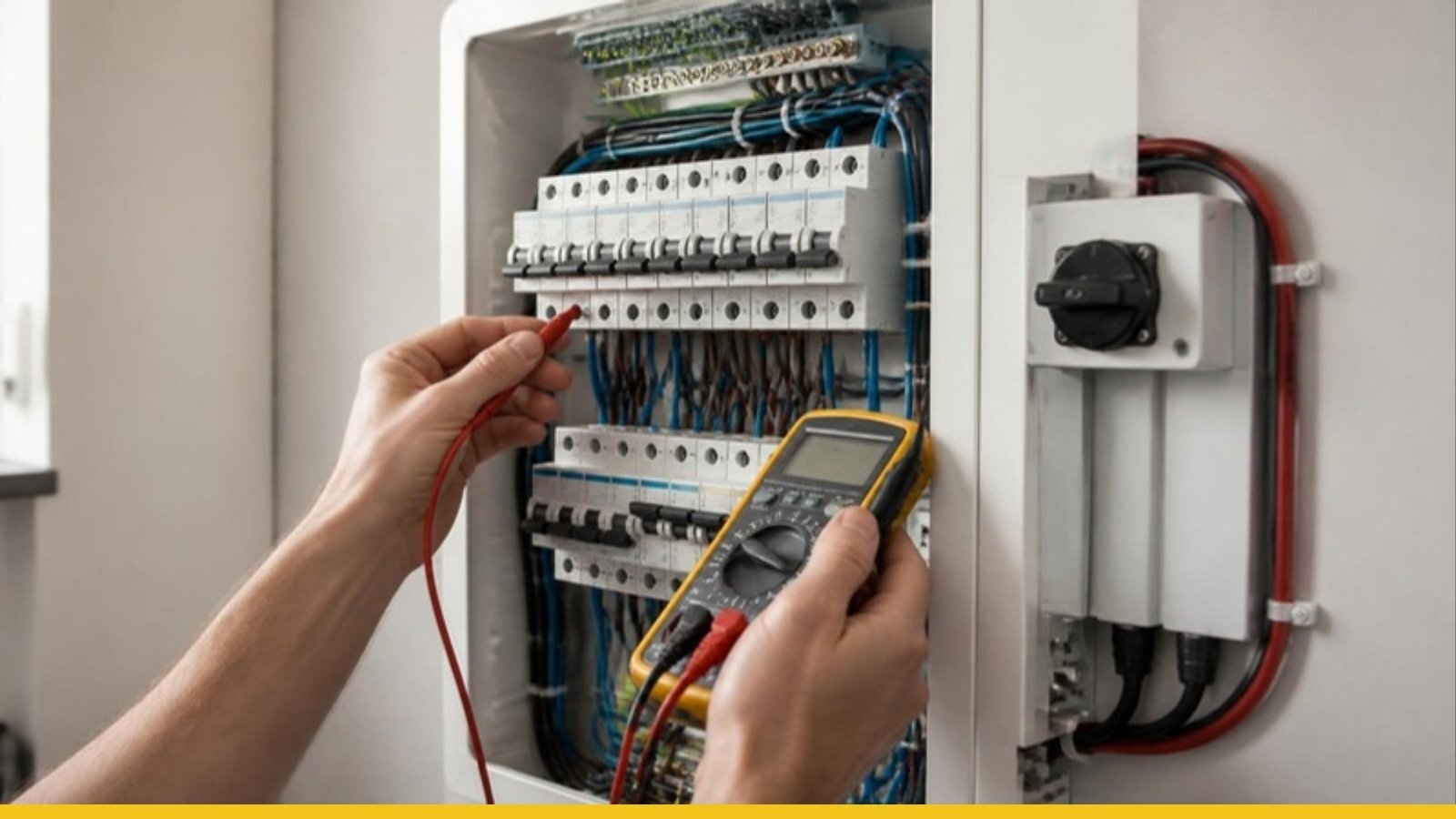
Most people think about a Certificate of Compliance twice: when the installer hands one over, and when an estate agent asks for one.
In between, there's a lot of confusion. Some homeowners think it expires. Some think it's a guarantee their system works. Some think the certificate they got when they bought the house covers the solar system that went up years later.
Here's what a CoC actually tells you, and what it doesn't. It's one of three things that make a solar system legal; my page on solar compliance in Johannesburg covers the other two.
What a CoC Is
A Certificate of Compliance is the certificate for an electrical installation required by the Electrical Installation Regulations. Only a registered person can issue one, and only after inspecting and testing the installation. Each certificate has a unique number and has to come with a test report.
On the certificate, the registered person declares that they personally inspected and tested the installation, and that they consider it reasonably safe when properly used.
There are three categories of registered person:
- Electrical tester for single phase , who can certify installations on a single-phase supply
- Installation electrician , who can certify any installation except specialised ones, such as hazardous or medical locations
- Master installation electrician , who can certify any installation
If your house has a three-phase supply, a tester for single phase can't certify it.
What It Tells You
A valid CoC tells you three things:
- On the date it was issued, a registered person inspected and tested the installation it covers.
- They considered it reasonably safe when properly used.
- Who they are. Their name and registration number are on the certificate, and they're accountable for that judgement.
That matters. It's the legal baseline, and you need one.
What It Doesn't Tell You
A CoC is a snapshot. It says the installation was safe on the day it was inspected. It says nothing about:
- What's happened since. Connections work loose over hot summers and cold nights. Rodents chew cables. Water gets in. A certificate from 2023 can't see any of that.
- Whether the system is performing. A CoC is about safety, not output. A system can be safe and still produce far less than it should.
- Battery health. Batteries lose capacity with age and use. The certificate doesn't measure it.
- Whether it's registered with City Power. Small-scale embedded generation (SSEG) registration is a separate process with the municipality.
- Whether it's set up well for how you live. A system configured for load shedding in 2023 can be perfectly safe and still wrong for 2026.
So a CoC is necessary, but it isn't a clean bill of health. It's where the story starts, not the whole of it.
Does My Solar System Need Its Own CoC?
Yes. A solar system, a battery or a changeover switch is an addition to your electrical installation, and the regulations require a CoC covering at least the addition. It's often issued as a supplementary certificate linked to the original one.
That means the CoC you received when you bought the house doesn't cover solar that went in afterwards. If your system was installed after your last certificate and you don't have a separate one for the solar work, there's a gap.
The Two-Year Rule, Explained Properly
This is the most misunderstood part of the whole subject, and it's sometimes used to frighten homeowners. So, plainly:
A CoC doesn't expire. Your installation doesn't become illegal on the certificate's second birthday.
The two-year rule is about selling. The regulations don't allow a change of ownership if the CoC is older than two years. So when you sell, you'll need a certificate issued within the last two years, which is why sellers usually arrange an inspection when the house goes on the market.
Separately, any addition or alteration since the last certificate needs its own certificate. That's why solar added after the last CoC matters at transfer, even when the house certificate is recent.
How to Read the CoC You Have
Get your certificate out and check six things:
- It covers the solar work. Look for the inverter, PV system, battery or changeover switch, on the certificate or in the test report.
- The test report is attached. A CoC has to come with one.
- The registered person's details are complete. Name, registration number, registration category and signature.
- The category fits your supply. A single-phase tester's certificate on a three-phase house is a problem.
- There are no corrections. The certificate is invalid if it has been corrected, and nobody may amend one.
- The address is your property.
If you want to confirm the registration, ask the registered person to show you their certificate of registration. The regulations require them to produce it on request.
If Yours Is Missing or Doesn't Cover the Solar
Start with the installer. If they're still trading, they should be able to give you a copy. Whoever took on the installation work had a duty to make sure a valid CoC was issued for it.
If they can't help, a registered person needs to inspect and test the system as it stands. If they find a fault, they can't issue the certificate until it's been put right. Once it has, they issue a CoC in their own name.
Be wary of anyone who offers a certificate without inspecting and testing first. A CoC issued that way doesn't give you the protection you think it does.
How I Can Help
These days I focus on solar for businesses and farms. If you're a homeowner, I'll gladly introduce you to a registered installer working to the CleanVolts Approved standard, who will check whether your system is still safe and performing, and what stands between you and a valid certificate. The installer contracts with you directly and signs off the work. Using CleanVolts costs you nothing, and if the installer pays me a referral fee, I'll tell you up front.
Book a Health Check · Free checklist: is your solar legal and safe?
Where I fit in
I plan and manage solar for businesses and farms. I start with your bills and how you really use power, then bring in a registered installer working to the CleanVolts Approved standard, who designs, installs and signs off the system under their own registration. You contract with them directly, and I stay your point of contact. If the installer pays me a referral fee, I tell you before you sign.
I've stopped adding new guides. For anything not covered here, ask my assistant and I'll answer you directly.