
Guides · Installers
How to check a solar installer is registered
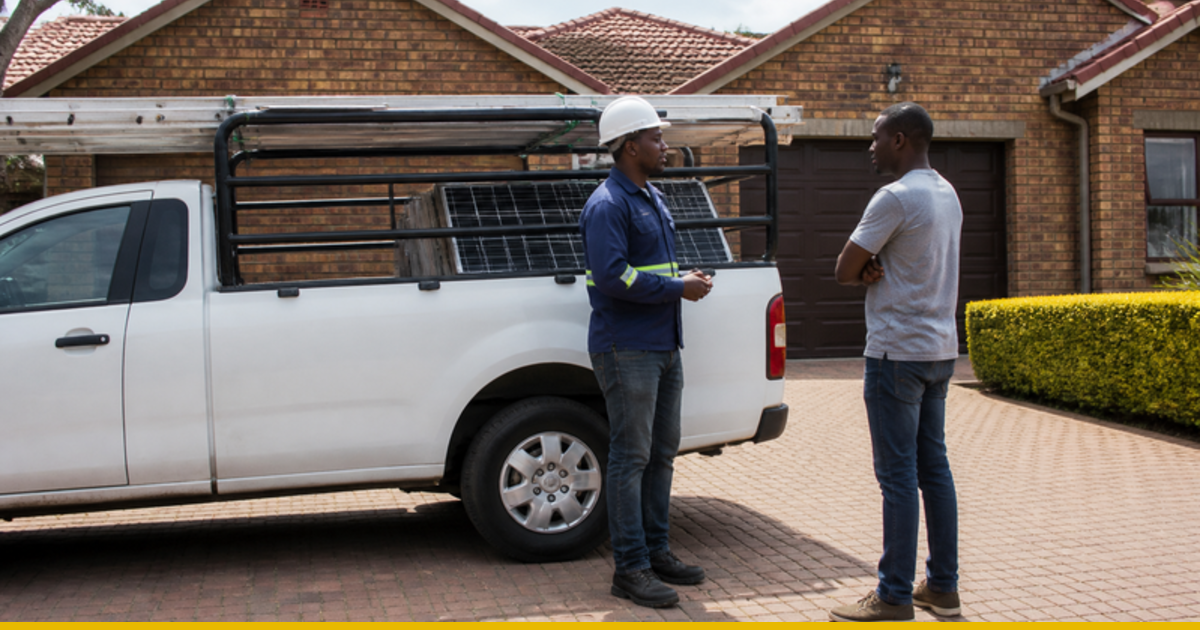
Short answer: Ask for two numbers: the company's electrical contractor registration, and the registration of the person who will sign your Certificate of Compliance, who must be an Installation Electrician or Master Installation Electrician. Check both with the Electrical Contracting Board or the Department of Employment and Labour. Then check for PV GreenCard training and public liability insurance.
Last updated November 2026. Rules checked November 2026.
Anyone can print "solar installer" on a bakkie. Far fewer can legally sign off your system. In South Africa, electrical work, including solar, must be done by a registered electrical contractor, and the Certificate of Compliance (CoC) must be signed by a registered person. The Department of Employment and Labour has warned the public about fake electrical contractors more than once. These are the checks to make before you pay a deposit, whether you run a business, a farm or a household. They're also the checks I hold every installer to under the CleanVolts Approved standard.
How do I check that a solar installer is properly registered?
| Check | What to ask for | How to verify |
|---|---|---|
| Electrical contractor registration | The company's contractor registration number | Check with the Electrical Contracting Board (ECB) or a Department of Employment and Labour office |
| Registered person | The name, category and registration number of whoever will sign the CoC | Same route. Check the category and the expiry date on their card. |
| PV GreenCard | Whether their installers are PV GreenCard certified | SAPVIA's online PV GreenCard installer directory |
| Public liability insurance | A current certificate of insurance | Check the dates and cover amount, and call the insurer if in doubt |
| Track record | Two or three recent references for similar jobs | Phone them and ask about after-sales service, not just the install day |
Who can sign a solar CoC?
Registered persons come in categories, and not every category can sign off every system. Eskom's own standard on CoCs for solar sets it out like this:
- Installation Electrician (IE) and Master Installation Electrician (MIE) can install solar systems and issue CoCs for them, single-phase or three-phase.
- Electrical Tester for Single Phase (ETSP) holders can cover the AC side of a single-phase installation, but not the DC side of a solar system, and Eskom doesn't accept them for its solar test report. Most business and farm supplies are three-phase, which rules them out anyway. Ask an ETSP-led company who exactly will sign your CoC.
The person who signs must have inspected and tested the installation. Be wary of anyone who says they "work under someone else's licence" without that person being involved. My guide to what a CoC does and doesn't mean explains what you're actually getting.
Does an installer need a PV GreenCard?
Not by law. PV GreenCard is an industry programme run by SAPVIA, the solar industry association, that certifies installers who pass a competency assessment and provides an as-built report for the system. It's a good sign of solar-specific training, but it doesn't replace electrical registration or the CoC. My guide to what PV GreenCard means goes into more detail.
What insurance should an installer have?
At minimum, public liability insurance, which covers damage to your property or injury to others during the work. Larger contractors may also carry contractors' all-risk cover for equipment on site, and professional indemnity if they design systems. Ask for the certificate, not just a verbal yes.
How do I check the installers I work with?
Before I bring an installer onto a job, I check them against the CleanVolts Approved standard: their contractor registration and the registration of the people who sign CoCs, their insurance, and references from recent customers. I also look at how they handle after-sales and whether they register systems with the municipality or Eskom as part of the job. PV GreenCard is a plus, not a requirement. Each installer's profile shows the date their paperwork was last checked, and if something changes, I stop working with them until it's put right. You can read the full standard on my CleanVolts Approved page.
For the warning signs to walk away from, see red flags when choosing a solar installer.
Before you pay a deposit
- An installation without a valid CoC is illegal , can affect your insurance and can hold up the sale or lease of the property.
- If you find out mid-job that the installer isn't registered, stop the work and don't pay the balance until a registered contractor has inspected it.
Frequently Asked Questions
What is a registered person?
An electrician registered with the Department of Employment and Labour in a specific category, such as Installation Electrician or Master Installation Electrician. Only a registered person can issue a Certificate of Compliance, and only within their category.
Does an installer need a PV GreenCard?
No, it isn't a legal requirement. It's an industry certification that shows solar-specific training and comes with an as-built report. Electrical registration and a CoC are the legal requirements.
What insurance should an installer have?
Public liability insurance at the very least. Ask for the certificate and check that it's current.
How I can help
I plan and manage solar for businesses and farms, bringing in a registered installer working to the CleanVolts Approved standard who designs, installs and signs off the system. If you're a homeowner, I'll introduce you to a trusted installer who has passed these same checks. Either way, you contract the installer directly and they issue the Certificate of Compliance. Using CleanVolts costs you nothing, and if the installer pays CleanVolts a referral fee, I'll tell you up front.
See how I check installers · Send me your bills
Sources: Department of Employment and Labour warning on fake electrical contractors; Eskom standard 240-170000465 on CoCs; Eskom SSEG registration page; EnergyBee on PV GreenCard.
Where I fit in
I plan and manage solar for businesses and farms. I start with your bills and how you really use power, then bring in a registered installer working to the CleanVolts Approved standard, who designs, installs and signs off the system under their own registration. You contract with them directly, and I stay your point of contact. If the installer pays me a referral fee, I tell you before you sign.
I've stopped adding new guides. For anything not covered here, ask my assistant and I'll answer you directly.