
Guides · Installers
Red flags when choosing a solar installer
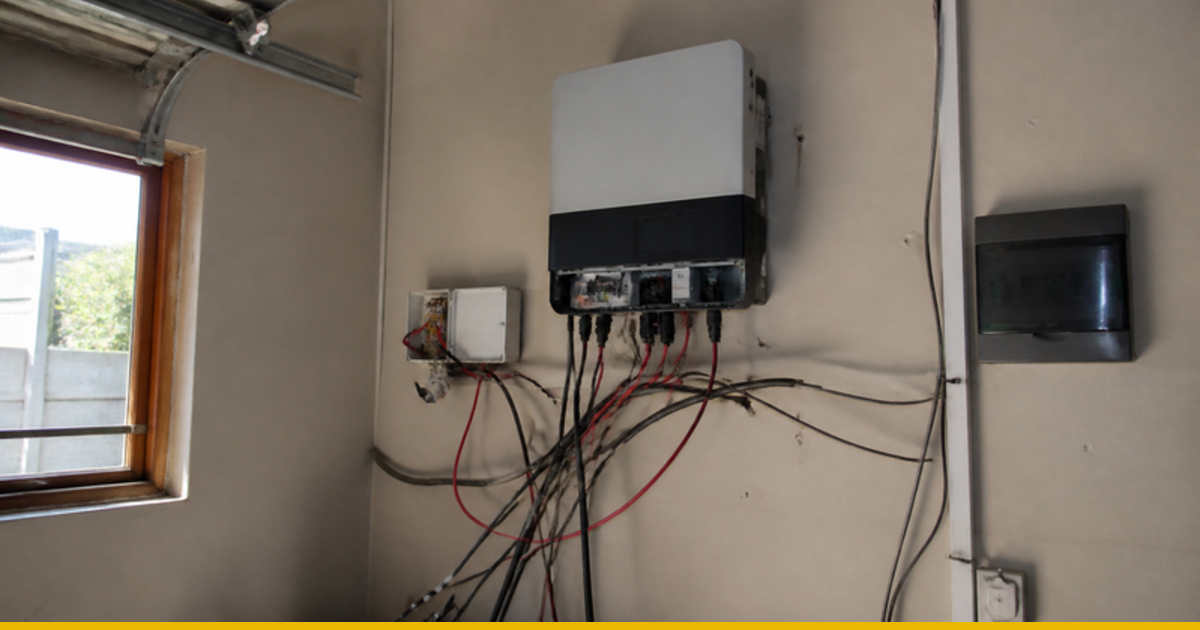
Short answer: Walk away if an installer can't name the registered person who will sign your Certificate of Compliance, wants a large deposit before visiting your home, gives a quote without make and model numbers, pressures you to sign today, says nothing about registering the system, or won't put the warranty in writing. Any one of these is enough.
Last updated November 2026.
The load shedding rush brought thousands of new installers into the market. Many were excellent. Some disappeared, leaving homeowners with no CoC, no warranty support and systems that trip or don't perform. You can't judge workmanship from a quote, but you can spot most of the bad actors before you pay anything. These are the warning signs, and what a good installer does instead. For the positive checks, see the CleanVolts Approved standard and how I check installers.
What are the warning signs of a bad solar installer?
| Red flag | What a good installer does |
|---|---|
| Can't or won't name who signs the CoC | Gives the registered person's name, category and number up front |
| Quotes without seeing your bills or your house | Asks for your bills and visits before giving a firm quote |
| Large deposit before a site visit | Takes a deposit only once the design and quote are agreed, tied to ordering equipment |
| "Inverter, battery and panels" with no makes or models | Names every component by make, model and size |
| "This price is only valid today" | Gives you time to compare and a quote valid for a reasonable period |
| No mention of SSEG registration, or says it isn't needed | Explains registration and handles it as part of the job |
| Verbal warranty only | Puts product and workmanship warranties in writing, with who honours each |
| Wants cash with no invoice | Issues proper invoices to a business bank account |
| Price far below everyone else | Can explain the price, line by line |
How big should a solar deposit be?
A deposit that covers the equipment being ordered for your job is normal once you've agreed the design. Paying a large share before anyone has seen your roof, or before a written quote with components and a timeline, is a risk. Ask how the payments are split, typically deposit on order, a portion on delivery or installation, and the balance on completion and CoC. Never pay the final amount before you have the CoC.
Should I pay cash to an installer?
No. Pay by EFT to a business account in the company's name, against a proper invoice. Cash leaves you with no proof of payment if something goes wrong, and an installer who insists on it is a red flag in itself.
How do I check reviews?
- Look for reviews that mention after-sales service, not just a tidy install day.
- Check how long the business has been trading, and under which name.
- Ask for two or three references from jobs a year or more old, and phone them.
- Be wary of a sudden burst of five-star reviews with no detail.
Then verify the registrations yourself. My guide how to check a solar installer is registered shows how, and what a solar quote should contain covers the paperwork.
Safety First
- A cheap, uncertified installation can be a fire risk. Poor DC connections and missing protection are the most common faults found in later inspections.
- If you already have a system and you're not sure how it was installed, a Health Check or audit will tell you.
Frequently Asked Questions
How big should a solar deposit be?
Enough to cover equipment ordered for your job, paid once the design and quote are agreed. Avoid large deposits before a site visit, and never pay the final balance before you receive the CoC.
Should I pay cash to an installer?
No. Pay by EFT to the company's business account against an invoice, so you have proof of payment.
How do I check reviews?
Read reviews for after-sales experience, ask for references from older jobs and phone them, and check the company's registrations yourself.
Where I fit in
I plan and manage solar for businesses and farms. I start with your bills and how you really use power, then bring in a registered installer working to the CleanVolts Approved standard, who designs, installs and signs off the system under their own registration. You contract with them directly, and I stay your point of contact. If the installer pays me a referral fee, I tell you before you sign.
I've stopped adding new guides. For anything not covered here, ask my assistant and I'll answer you directly.