
Guides · Planning
Roof types and solar: tile, IBR, slate and flat roofs
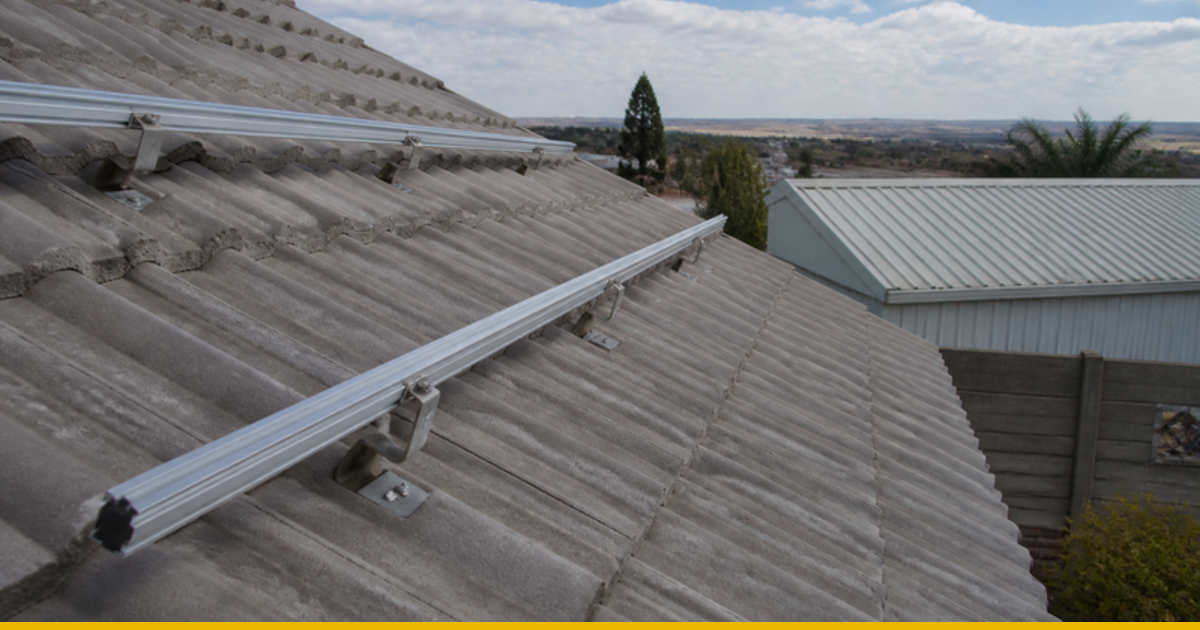
Short answer: Most roofs can take solar panels with the right mounting. Tile roofs use hooks that sit under the tiles, IBR and corrugated sheeting use rail clamps fixed to the purlins, and flat roofs use tilted frames. Roof condition, direction and shading matter more than the material, so fix leaks and damaged tiles first.
Last updated November 2026.
The mounting system holds your panels in place for 25 years through Highveld storms, hail and wind. Getting it right is part of every good solar installation, and getting it wrong is the most common cause of roof leaks after solar goes in. This guide covers how each common roof type is handled. Tony Lopes, CleanVolts' founder, completed the PV Mounter course in November 2026, and these are the points that matter most for homeowners.
Can solar panels go on any roof?
| Roof type | How panels are mounted | Watch out for |
|---|---|---|
| Concrete or clay tile | Stainless roof hooks screwed to the rafters or battens, passing under the tiles, with rails on top. | Cracked tiles from installers walking on them. Tiles under hooks may need grinding so they sit flat. |
| IBR and corrugated sheeting | Clamps or brackets fixed through the crest of the sheet into the purlins, with sealing washers. Some systems clamp to the seams with no penetration. | Screws into the valley of the sheet, missing sealant, and old sheeting that is rusted or thin. |
| Slate | Special slate hooks or replacement flashing plates. Slower and more expensive. | Brittle slates break easily. Use an installer who has done slate before. |
| Flat concrete or waterproofed roof | Tilted aluminium frames, either ballasted with weights or anchored, set at about 15° to 30°. | Damage to the waterproofing membrane, wind loads, and the roof's ability to carry ballast. |
| Thatch | Not mounted on the thatch. Panels go on a ground mount, carport or outbuilding instead. | Fire risk and insurance terms. Discuss with your insurer. |
Will solar panels make my roof leak?
Not if they are installed correctly. Leaks usually come from broken tiles, fixings placed in the valleys of IBR sheets, or missing sealant. Ask the installer how they will fix to your roof, whether they will replace cracked tiles, and whether their workmanship warranty covers leaks. Check the roof after the first heavy storm. See was my solar installed properly?
Which direction should panels face?
In Johannesburg, north-facing roofs give the most energy over a year. East and west roofs still work well, typically producing around 10% to 20% less, and they spread production across the morning and afternoon. South-facing roofs are usually a poor choice unless the pitch is very shallow. Shade from trees, chimneys and neighbouring buildings costs more than a less-than-ideal direction.
What does roof type do to the cost?
IBR and tile roofs are the most common and the most straightforward. Slate, steep pitches, double-storey access and flat-roof frames add labour and materials. A roof needing repairs first adds to the project before solar starts. See what solar costs in 2026.
Safety First
- Don't go on the roof yourself to inspect or clean panels. Falls from roofs are a leading cause of serious injury.
- Installers should work with fall protection and have working-at-heights training.
- Panels produce DC voltage whenever there's daylight. Only a registered installer should touch the wiring.
Frequently Asked Questions
Will solar panels make my roof leak?
Not when fixed correctly. Ask how the installer will fix to your roof and whether their workmanship warranty covers leaks.
Which direction should panels face?
North is best in Johannesburg. East and west work well, with around 10% to 20% less output.
Can panels go on a thatch roof?
No. Use a ground mount, carport or outbuilding instead, and check your insurance.
How I Can Help
These days I focus on solar for businesses and farms. If you're a homeowner, I'll gladly introduce you to a registered installer working to the CleanVolts Approved standard, who will assess your roof before quoting. The installer contracts with you directly and signs off the work. Using CleanVolts costs you nothing, and if the installer pays me a referral fee, I'll tell you up front.
Send me a message · How a solar installation works
Where I fit in
I plan and manage solar for businesses and farms. I start with your bills and how you really use power, then bring in a registered installer working to the CleanVolts Approved standard, who designs, installs and signs off the system under their own registration. You contract with them directly, and I stay your point of contact. If the installer pays me a referral fee, I tell you before you sign.
I've stopped adding new guides. For anything not covered here, ask my assistant and I'll answer you directly.