
Guides · Equipment
How to choose a home battery
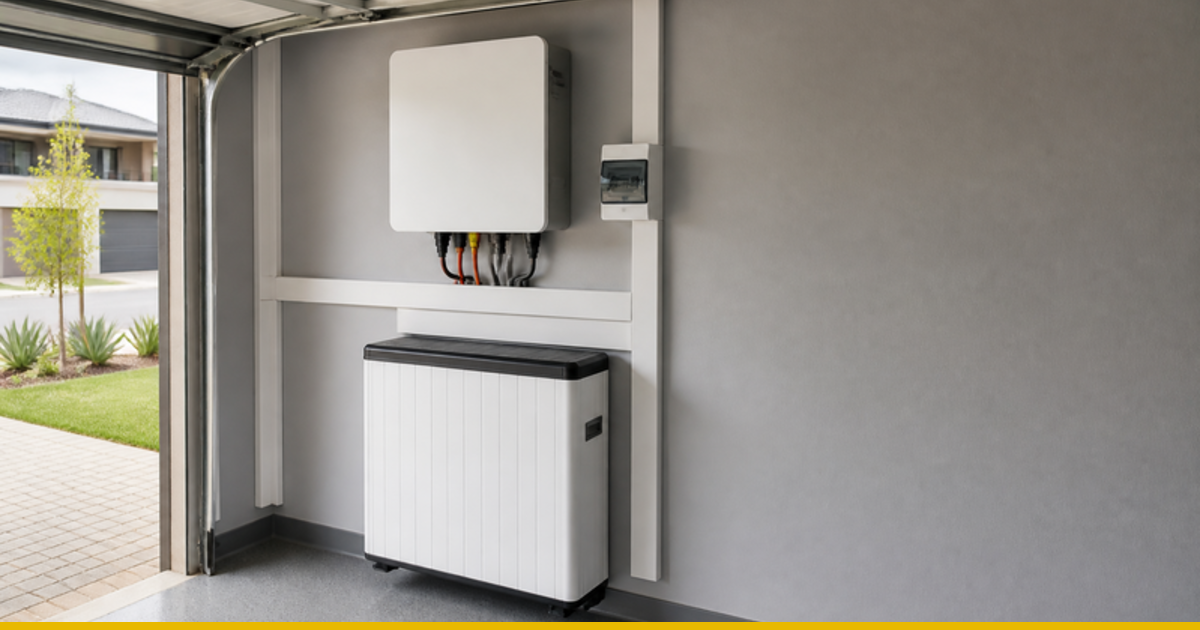
Short answer: Choose a home battery on four things: usable capacity in kWh, compatibility with your inverter, warranty terms (years plus cycles or energy throughput), and local support. Size it on what you use at night, plus any outage reserve you want. For most homes now that load shedding has stopped, that's 5 to 10 kWh of lithium iron phosphate (LiFePO4).
Last updated November 2026.
The battery is usually the most expensive single part of a home solar installation, and the part most often oversold. This guide explains what the specifications mean, how to size a battery, and the questions to ask before you buy. It's brand-neutral: the right make depends on your inverter and on who supports it locally.
How do I choose a battery for my solar system?
| What to check | Why it matters |
|---|---|
| Usable capacity (kWh) | The energy you can actually use, not just the nameplate figure. Ask for both. |
| Chemistry | Lithium iron phosphate (LiFePO4) is the norm for homes: long life, deep cycling and better thermal stability than older lithium types. Lead-acid is cheaper upfront but wears out far sooner when cycled daily. |
| Inverter compatibility | The battery and inverter must "talk" to each other. Check it's on the inverter maker's approved list. |
| Power rating (kW) | How much it can deliver at once. Too low and the battery limits your inverter. |
| Warranty | Years, plus a cycle count or energy throughput limit, and the capacity guaranteed at the end. Read all three. |
| Local support | A South African distributor with stock and a track record for handling claims. |
| Expandability | Whether you can add modules later, and how old a battery can be before mixing becomes a problem. |
How many kWh do I need?
- Estimate your night use. Look at your app or bill for what you use between about 17:00 and 07:00. For many three-bedroom homes it's 6 to 10 kWh.
- Cut what you can move. Run the geyser, pool pump and washing in daylight, and your night use falls.
- Add a reserve if you want backup for outages, or keep the battery above a minimum for its health.
- Check the panels can fill it on a normal winter day. A battery the panels can't charge is wasted money.
My guide to what size solar system you need works through a full example.
How long do batteries last?
A good LiFePO4 battery used daily and kept within sensible settings typically lasts around ten years before its capacity drops noticeably. Heat, constant full charge and deep daily discharge shorten that. My guide to battery lifespan and replacement cost goes into detail.
Can I add batteries later?
Often, yes, if the inverter can handle more storage and the battery model is still available. Mixing a new module with one several years old can limit the whole bank to the weaker module, so ask the installer how the brand handles expansion. See adding panels or a battery.
Safety First
- Batteries must be installed by a registered installer in a cool, ventilated spot with the right protection and clearances.
- Avoid unbranded or second-hand batteries with no traceable warranty. Damaged lithium cells can be a fire risk.
- A hot, swollen or hissing battery is an emergency. Keep away and call your installer.
Frequently Asked Questions
How many kWh do I need?
Enough for your evening and overnight use, plus any backup reserve. For most three-bedroom homes that's 5 to 10 kWh.
Do brands matter?
Less than compatibility, warranty terms and local support. A well-supported mid-range battery that's approved for your inverter usually beats a premium brand nobody locally can service.
Can I add batteries later?
Usually, if your inverter can take more storage and the same model is still available. Plan for it when you choose the inverter.
How I Can Help
These days I focus on solar for businesses and farms. If you're a homeowner, I'll gladly introduce you to a registered installer working to the CleanVolts Approved standard, who will size your battery from your actual use and name every component by make and model. The installer contracts with you directly and signs off the work. I never buy or sell hardware, using CleanVolts costs you nothing, and if the installer pays me a referral fee, I'll tell you up front.
Try the free sizing guide · Send me a message
Where I fit in
I plan and manage solar for businesses and farms. I start with your bills and how you really use power, then bring in a registered installer working to the CleanVolts Approved standard, who designs, installs and signs off the system under their own registration. You contract with them directly, and I stay your point of contact. If the installer pays me a referral fee, I tell you before you sign.
I've stopped adding new guides. For anything not covered here, ask my assistant and I'll answer you directly.