
Guides · Existing systems
Adding panels or a battery to your existing solar system
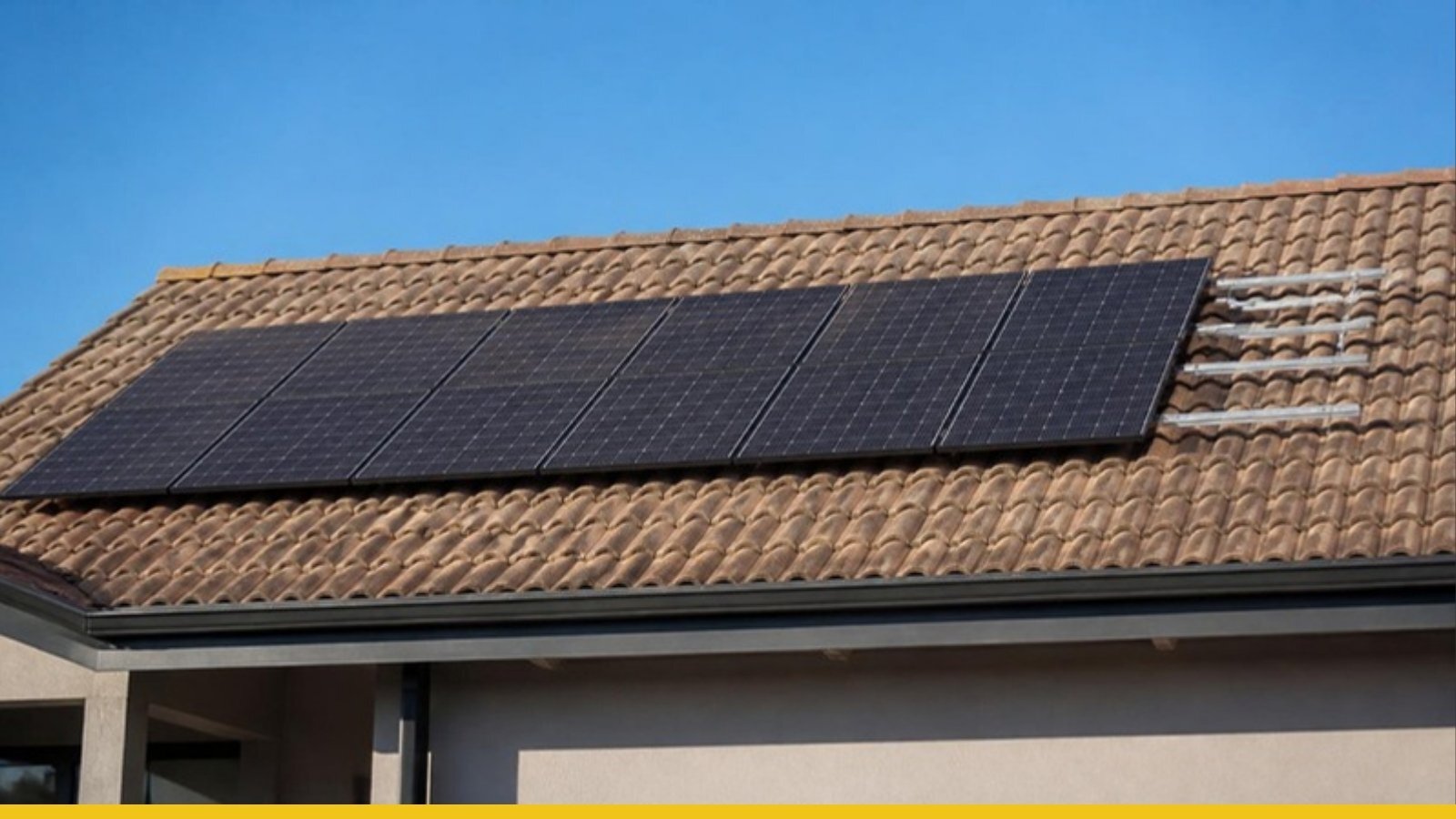
When we first got solar in 2022, our battery was full by half past nine most mornings. After that, the panels had nowhere to send their power, so they simply eased off and sat idle for the rest of the day. All that free sunshine, and we couldn't use it.
That's a very common story, and it's usually the moment people start thinking about adding to their system. Others have the opposite problem: the battery is flat long before morning. Either way, expanding an existing system can make a big difference. Done without a plan, it can also mean buying equipment that doesn't work with what you've got.
First, Work Out What Your System Is Short Of
Your monitoring app holds most of the answer. Look at a few typical days and match what you see to one of these patterns:
- The battery is full by mid-morning and solar output flattens out after that. You're producing more than you can store or use. More battery capacity is the likely answer. If your system is registered with City Power and you can export, earning credits for that surplus may be an alternative.
- The battery runs flat in the evening or overnight, but filled up during the day. You need more battery.
- The battery doesn't fill up even on clear, sunny days. You need more panels.
- The inverter regularly hits its maximum output, or trips on overload. The inverter itself is the limit. See my guide to why your inverter keeps tripping.
Often it's a combination. A system sized for load shedding was usually built to cover the evenings, not to run the house from the sun. If you've started load shifting, it may now be short in more than one place.
If you can't get into your monitoring app, sort that out first. My guide to whether your system is underperforming explains what to look at.
Adding Panels: What to Check
Can the Inverter Take More?
Every inverter has limits on how much solar power it can accept, and on the voltage and current of each input. Adding panels beyond those limits either wastes the extra power or, worse, risks damaging the inverter. The inverter's datasheet sets the ceiling.
Can the New Panels Match the Old?
Panels connected together in the same string need to match closely. The exact model on your roof may no longer be made. New panels often have to go on their own string, on a separate input on the inverter, which only works if the inverter has a free one.
Is There Roof Space Where It Counts?
The best spots usually went first. Extra panels on a shaded or poorly facing part of the roof produce much less. The mounting and roof also need checking, so the new panels are fixed securely without causing leaks.
Adding a Battery: What to Check
Is the New Battery Compatible With the Old One?
Lithium batteries can often be expanded, but manufacturers usually have strict rules: the same brand and model, sometimes the same firmware, and limits on combining old and new modules. Ignoring those rules can unbalance the batteries and affect your warranty.
If you have lead-acid batteries, they can't be extended with lithium. My guide to upgrading from lead-acid to lithium explains the options.
Can the Inverter Charge and Use It?
A bigger battery only helps if the inverter can charge it from the panels and draw from it fast enough. The inverter's charge and discharge limits matter as much as the battery's size.
Are the Cables and Protection Up to It?
More battery capacity can mean more current. The cables, connections and DC protection between the batteries and the inverter have to be rated for the expanded bank.
When the Inverter Is the Bottleneck
If the inverter is already working at its limit, adding panels or batteries won't solve much on its own. The options are usually a second inverter working alongside the first, where the model supports this, or replacing it with a larger one. That's a bigger job, so it's worth confirming with the data first.
Don't Forget the Paperwork
Adding panels or batteries is an addition to your electrical installation, so it needs to be covered by a Certificate of Compliance. If your system is registered with your municipality or Eskom, enlarging it changes what you declared, so they need to be told. My guides to what a CoC does and doesn't mean and SSEG registration cover both.
The Order That Avoids Expensive Mistakes
- Look at the data to work out what the system is actually short of.
- Check the inverter's limits before anything else, since it decides what can be added.
- Get the whole job quoted at once: equipment, wiring, mounting and paperwork.
- Only then buy. Panels or batteries bought online first and found to be incompatible later are the most common way people pay twice.
My guide to what solar costs in 2026 gives you a sense of current equipment prices.
How I Can Help
These days I focus on solar for businesses and farms. If you're a homeowner, I'll gladly introduce you to a registered installer working to the CleanVolts Approved standard, who will design the addition around what you already have and quote every component by make and model. The installer contracts with you directly and signs off the work. I never buy or sell hardware, using CleanVolts costs you nothing, and if the installer pays me a referral fee, I'll tell you up front.
System from 2022 or 2023? Adding panels is one of four ways to make it cut your bill. See all four.
Book a Health Check · Free checklist: is your solar legal and safe?
Where I fit in
I plan and manage solar for businesses and farms. I start with your bills and how you really use power, then bring in a registered installer working to the CleanVolts Approved standard, who designs, installs and signs off the system under their own registration. You contract with them directly, and I stay your point of contact. If the installer pays me a referral fee, I tell you before you sign.
I've stopped adding new guides. For anything not covered here, ask my assistant and I'll answer you directly.