
Guides · Existing systems
How solar warranty claims work in South Africa
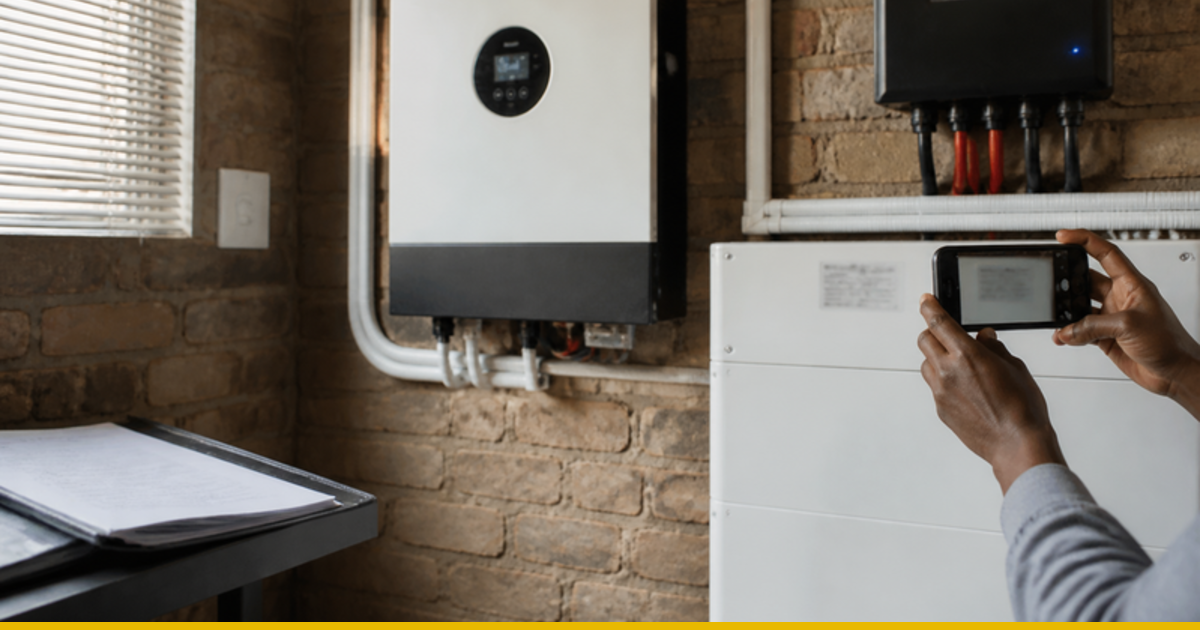
Short answer: Gather the invoice, the serial numbers and photos of the fault, then contact your installer. If they have closed, go to the brand's local distributor. Expect an approved technician to diagnose the fault before a claim is accepted. Product warranties rarely cover labour, call-out fees or damage from poor installation; that falls under the installer's workmanship warranty.
Last updated November 2026.
A solar system comes with several warranties from different parties, and knowing which one applies saves weeks of back-and-forth. This guide explains each type and how to claim. If you need a fault diagnosed or fixed, see my solar repairs service.
How do I claim on a solar warranty?
- Gather the paperwork: the installer's invoice, the Certificate of Compliance, and the make, model and serial number of the faulty component.
- Record the fault: photos, screenshots of the monitoring app, error codes and the dates it started.
- Contact the installer first. They usually lodge the claim with the distributor and do the diagnosis.
- If the installer has closed, contact the brand's South African distributor directly. See my installer has gone out of business.
- Allow for diagnosis. Most brands need an approved technician's report, and some ask for remote access to the inverter logs.
- Keep everything in writing, including the claim reference number.
What types of solar warranty are there?
| Warranty | Who gives it | What it covers | Typical term |
|---|---|---|---|
| Product | Manufacturer, through the local distributor | Defects in the component itself. | Panels 12 to 25 years; inverters 5 to 10; batteries often 10. |
| Performance | Panel or battery manufacturer | Minimum output or capacity over time. | Panels 25 to 30 years; batteries by years, cycles or throughput. |
| Workmanship | Your installer | Faults caused by how the system was installed: wiring, mounting, leaks. | Often 1 to 5 years. Get it in writing. |
Does the warranty cover labour?
Usually not. Product warranties typically replace or repair the part only. Removal, re-installation, travel and call-out fees are normally for your account unless the installer's workmanship warranty or your service agreement covers them. Ask about this before you buy.
What voids a solar warranty?
- Installation by an unregistered person or without a Certificate of Compliance. See no CoC for your solar system.
- Incompatible components, such as a battery not approved for the inverter.
- Battery settings outside the maker's limits, or a battery installed somewhere too hot.
- Physical damage, drilling into panel frames, or opening sealed units.
- No surge protection where the maker requires it. See solar surge protection.
Storm and hail damage is usually an insurance matter, not a warranty claim. See home insurance and solar.
How long do claims take?
Anything from a few days to several weeks, depending on whether the distributor has stock, needs the unit returned for testing, or must get approval from the overseas manufacturer. Ask your installer whether a loan unit is available while you wait.
Frequently Asked Questions
Does the warranty cover labour?
Usually not. Product warranties cover the part; labour falls under the installer's workmanship warranty, if at all.
What voids a solar warranty?
Unregistered installation, incompatible components, out-of-spec settings, physical damage and missing surge protection.
How long do claims take?
From a few days to several weeks, depending on stock and testing.
How I Can Help
These days I focus on solar for businesses and farms. If you're a homeowner, I'll gladly introduce you to a registered installer working to the CleanVolts Approved standard, who will diagnose the fault and support your warranty claim. The installer contracts with you directly and signs off the work. Using CleanVolts costs you nothing, and if the installer pays me a referral fee, I'll tell you up front.
Where I fit in
I plan and manage solar for businesses and farms. I start with your bills and how you really use power, then bring in a registered installer working to the CleanVolts Approved standard, who designs, installs and signs off the system under their own registration. You contract with them directly, and I stay your point of contact. If the installer pays me a referral fee, I tell you before you sign.
I've stopped adding new guides. For anything not covered here, ask my assistant and I'll answer you directly.