
Guides · Existing systems
Solar output in winter: what's normal in Gauteng
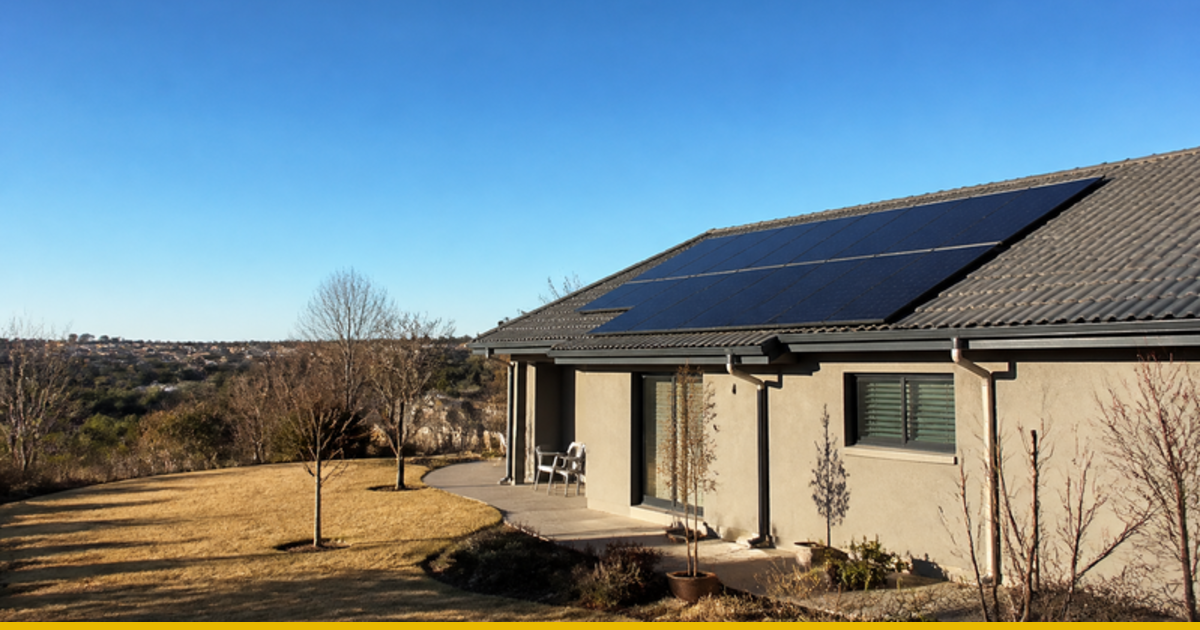
Short answer: Gauteng winters are dry and mostly cloudless, so output drops mainly because the sun is lower and the days are shorter, not because of cloud. A typical north-facing system makes roughly 15% to 30% less per day in June and July than in its best months. A drop well beyond that, on clear days, points to a fault.
Last updated November 2026.
Many owners notice their solar app showing lower numbers from May and worry something has broken. Usually it's the season. This guide explains the yearly pattern on the Highveld and how to tell a normal dip from a problem worth a Solar Health Check.
How much less do solar panels produce in winter in Gauteng?
| Season | What happens | Typical daily output |
|---|---|---|
| Spring (Sep to Oct) | Clear skies, longer days, cool panels. | Often the best months of the year. |
| Summer (Nov to Feb) | Long days, but afternoon thunderstorms and hot panels. | High on clear days; storm days can be much lower. |
| Autumn (Mar to Apr) | Clearing skies, sun dropping lower. | Steady, slowly falling. |
| Winter (May to Aug) | Dry and clear, but a low sun and short days. | Lowest in June and July, roughly 15% to 30% below the best months for north-facing roofs. |
Roof direction and tilt change this pattern. Low-pitched east or west roofs lose more in winter; steeper north-facing roofs lose less.
Do solar panels work on cloudy days?
Yes, but far less. On a heavily overcast day output can fall to 10% to 30% of a clear day. In Gauteng, cloudy days are mostly a summer feature, which is why summer output can be patchier than winter's.
Why is summer output sometimes lower?
Heat and storms. Panels lose efficiency as they get hotter, roughly 0.3% to 0.4% for every degree above 25°C at the cell, and summer afternoon storms cut production. Dust after a dry winter also lowers output until the first rains or a clean. See when to clean your solar panels.
When does lower output mean a fault?
- Compare with the same month last year, not with summer. A drop of more than 10% to 15% on similar clear days is worth a look.
- Watch for sudden steps rather than gradual change. A string or connector failing shows up as a sharp, lasting drop.
- Check for new shade. In winter the low sun casts long shadows from trees, walls and neighbouring buildings that miss the panels in summer.
My guides to an underperforming solar system and reading your inverter app go further.
Frequently Asked Questions
Do solar panels work on cloudy days?
Yes, at a fraction of normal output, often 10% to 30% of a clear day under heavy cloud.
Which months produce the most?
In Gauteng, usually September and October: clear skies, longer days and cool panels.
Why is summer output sometimes lower?
Hot panels lose efficiency, and afternoon thunderstorms cut production.
How I Can Help
These days I focus on solar for businesses and farms. If you're a homeowner, I'll gladly introduce you to a registered installer working to the CleanVolts Approved standard, who will run a Solar Health Check if your output has dropped more than the season explains. The installer contracts with you directly and signs off the work. Using CleanVolts costs you nothing, and if the installer pays me a referral fee, I'll tell you up front.
Where I fit in
I plan and manage solar for businesses and farms. I start with your bills and how you really use power, then bring in a registered installer working to the CleanVolts Approved standard, who designs, installs and signs off the system under their own registration. You contract with them directly, and I stay your point of contact. If the installer pays me a referral fee, I tell you before you sign.
I've stopped adding new guides. For anything not covered here, ask my assistant and I'll answer you directly.