
Guides · Equipment
Heat pump, solar geyser or PV geyser: cheapest hot water with solar
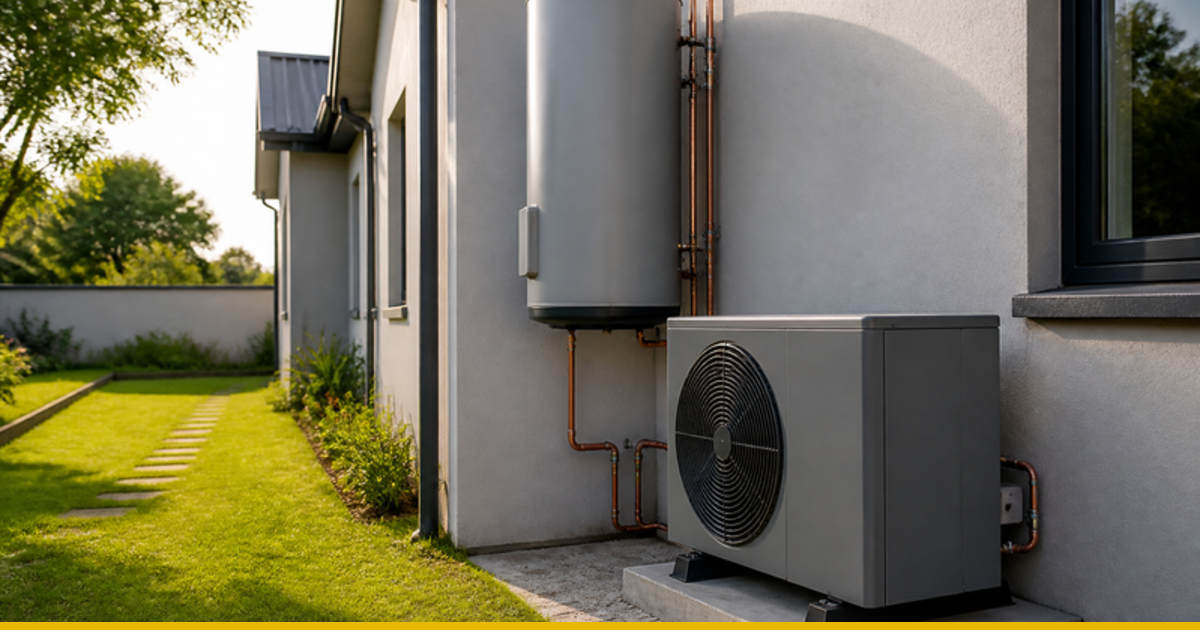
Short answer: A heat pump uses roughly a third of the electricity of a normal geyser element, so it suits most solar homes and keeps the inverter's load low. A solar thermal geyser heats water directly from the sun with almost no electricity. A PV geyser runs the element from its own panels. The best choice depends on roof space, hot water use and budget.
Last updated November 2026.
The geyser is the biggest single load in most South African homes, often a third or more of the electricity bill. Sorting it out is the quickest win in any tariff re-optimisation, and it shrinks the solar system you need. Here's how the three main options compare.
What is the cheapest way to heat water if I have solar?
| Option | How it works | Running cost | Best for |
|---|---|---|---|
| Heat pump | Moves heat from the air into the water, like an aircon in reverse. Works with your existing geyser. | About a third of an element's electricity. Runs well off solar during the day. | Most homes, especially families with high hot water use. |
| Solar thermal geyser | Roof collectors (flat plate or evacuated tubes) heat water directly. | Very low in sunny weather; the element backs it up on cold or cloudy days. | Homes with spare north-facing roof space. |
| PV geyser | Dedicated panels feed a DC or hybrid element through a controller, separate from the main system. | Free in daylight; grid backup when needed. | Homes that want simple, low-maintenance solar water heating. |
| Element on a timer, run by your solar | The existing geyser heats only in the middle of the day from your PV system. | Low on sunny days if the system is big enough. | Larger PV systems with surplus at midday. |
Can my inverter run a geyser?
A standard geyser element draws about 3 to 4 kW. A 5 kW inverter can run it, but little else at the same time, and an element running at night drains the battery fast. Many installers keep the geyser off the backup circuit, or run it only at midday on a timer. A heat pump draws about 1 kW, which is much easier on the inverter. Ask your installer before moving the geyser onto the inverter's output.
Is a heat pump worth it with solar?
Usually, yes. Cutting the geyser's energy use by about two thirds means a smaller solar system can cover your daytime use, and you buy less from the grid in winter. Fit it before you size solar so the installer designs around the lower load. See what size solar system you need and load shifting.
Cheap fixes for any geyser
- Geyser blanket and pipe lagging to cut standing heat loss.
- Lower the thermostat to about 55°C to 60°C. Ask a plumber about the right setting for your household.
- A timer or smart switch so the geyser heats in daylight from solar, not at night from the grid or battery.
Safety First
- Geyser work needs a registered plumber, and electrical changes need a registered electrician who issues a Certificate of Compliance.
- Don't disable the geyser's safety valves or thermostat. They prevent dangerous pressure and temperature build-up.
Frequently Asked Questions
Can my inverter run a geyser?
Often, but a 3 to 4 kW element uses most of a typical inverter's capacity. Run it at midday on a timer or switch to a heat pump.
Is a heat pump worth it with solar?
Usually. It cuts the geyser's energy use by about two thirds, so a smaller solar system covers more of your needs.
What is a PV geyser?
A geyser whose element runs from its own dedicated solar panels through a controller, separate from your main solar system.
How I Can Help
These days I focus on solar for businesses and farms. If you're a homeowner, I'll gladly introduce you to a registered installer working to the CleanVolts Approved standard, who will look at your hot water and your tariff together. The installer contracts with you directly and signs off the work. Using CleanVolts costs you nothing, and if the installer pays me a referral fee, I'll tell you up front.
Where I fit in
I plan and manage solar for businesses and farms. I start with your bills and how you really use power, then bring in a registered installer working to the CleanVolts Approved standard, who designs, installs and signs off the system under their own registration. You contract with them directly, and I stay your point of contact. If the installer pays me a referral fee, I tell you before you sign.
I've stopped adding new guides. For anything not covered here, ask my assistant and I'll answer you directly.